Home Pests AntsBeetlesCentipedesCricketsEarwigsFleasMillipedesSilverfishSpidersSpringtailsTicks Locations CaliforniaOregonWashington Company AboutContact
Call 833-369-1242

Millipede Control — Professional, Eco-Friendly Treatment

Brooks Pest Control provides reliable, eco-friendly millipede removal for homes and businesses throughout the West Coast. Our licensed experts identify outdoor breeding sites and stop millipede invasions at the source — guaranteed.

Get Your Free Quote

Why Millipede Infestations Keep Coming Back

Millipedes breed in large numbers outdoors — in mulch, leaf litter, thatch, and soil right next to your foundation. Spraying the ones that wander inside does nothing to the population outside. When heavy rain saturates the soil or dry heat bakes it out, hundreds or thousands can migrate into your home at once. That kind of event overwhelms any DIY product.

Brooks Pest Control technician explaining treatment plan to homeowner using tablet in kitchen

Ready to get rid of millipedes?

Get a Free Quote or call 833-369-1242
Millipedes are not insects — they're myriapods with two pairs of legs per body segment
They feed on decaying organic matter, not your home — but they invade in massive numbers
Heavy rain or extreme heat triggers mass migrations toward homes
When disturbed, they release defensive chemicals that irritate skin and eyes

That's why effective millipede control requires targeting outdoor breeding sites and creating a professional perimeter barrier — not just killing what gets inside.
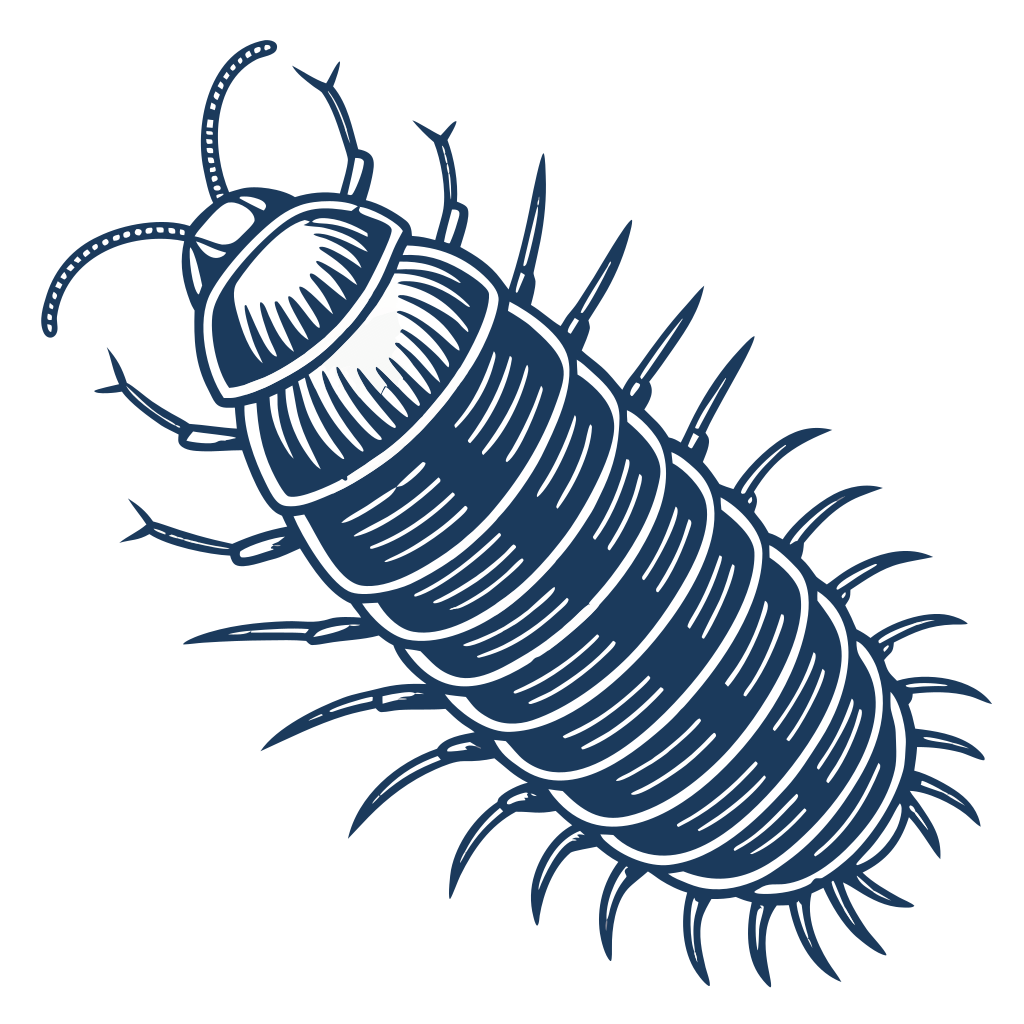
Millipedes Brooks Pest Control Commonly Treats

Greenhouse Millipede illustration

Greenhouse Millipede

The most common household invader on the West Coast; found in gardens and mulch beds
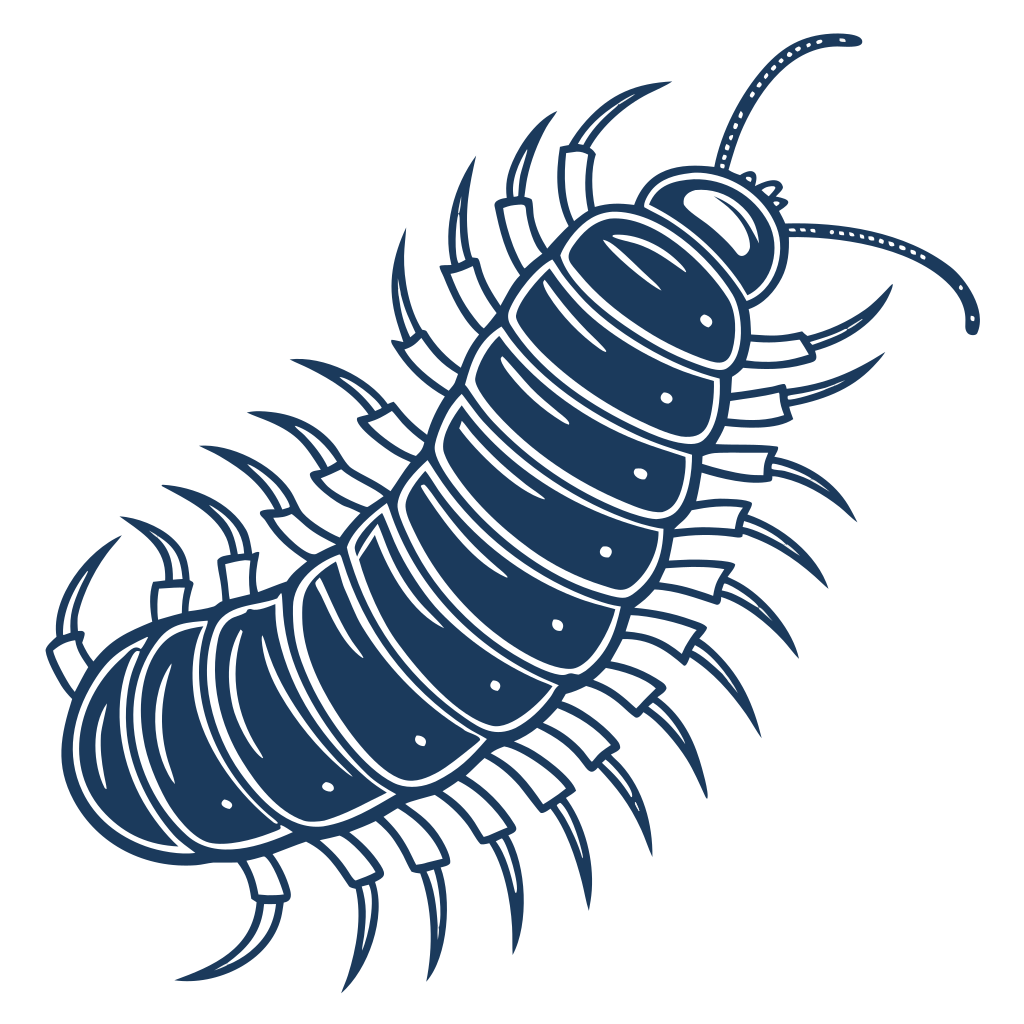
Yellow-Spotted Millipede illustration

Yellow-Spotted Millipede

Distinctive bright yellow markings; most common in the Pacific Northwest
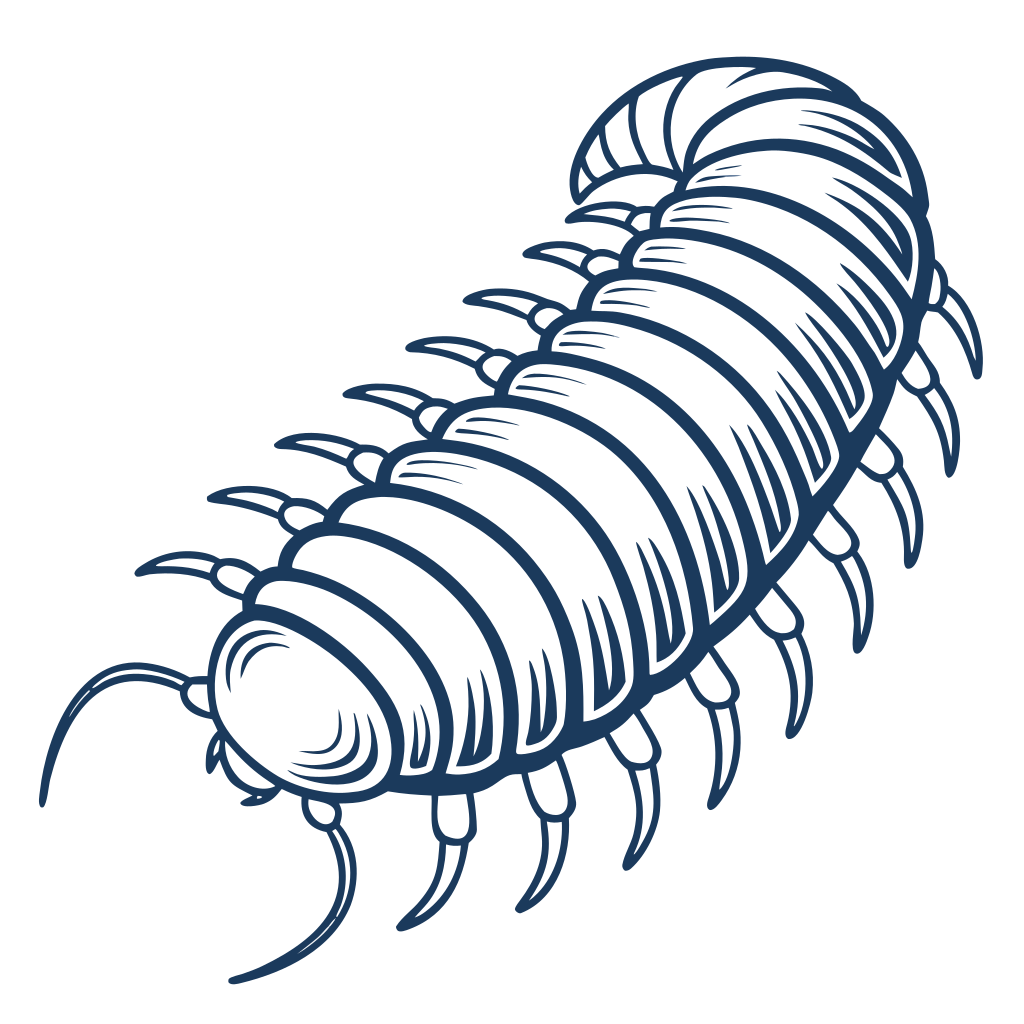
Common Millipede illustration

Common Millipede

Often responsible for mass indoor migrations; attracted to light at night
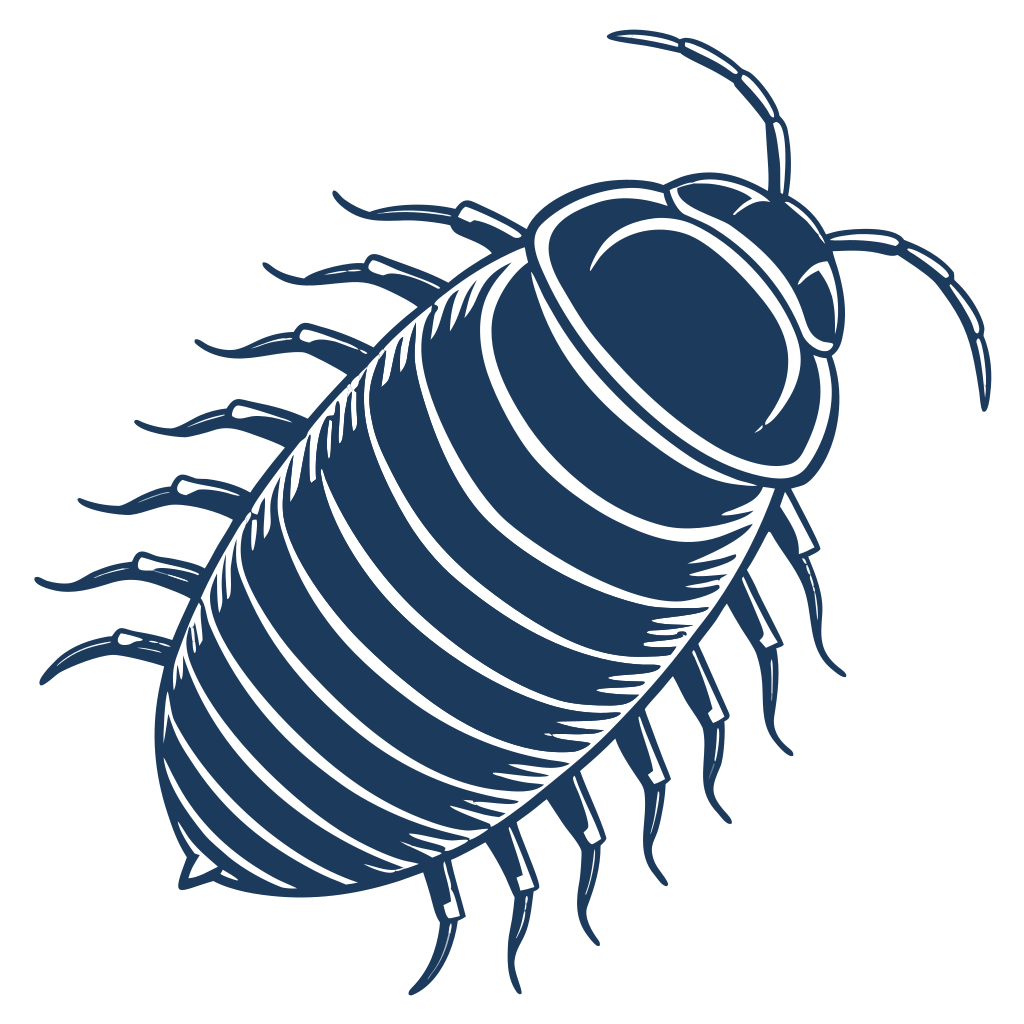
Tylobolus Millipede illustration

Tylobolus Millipede

One of the largest in the region (2–3 inches); startling when found indoors
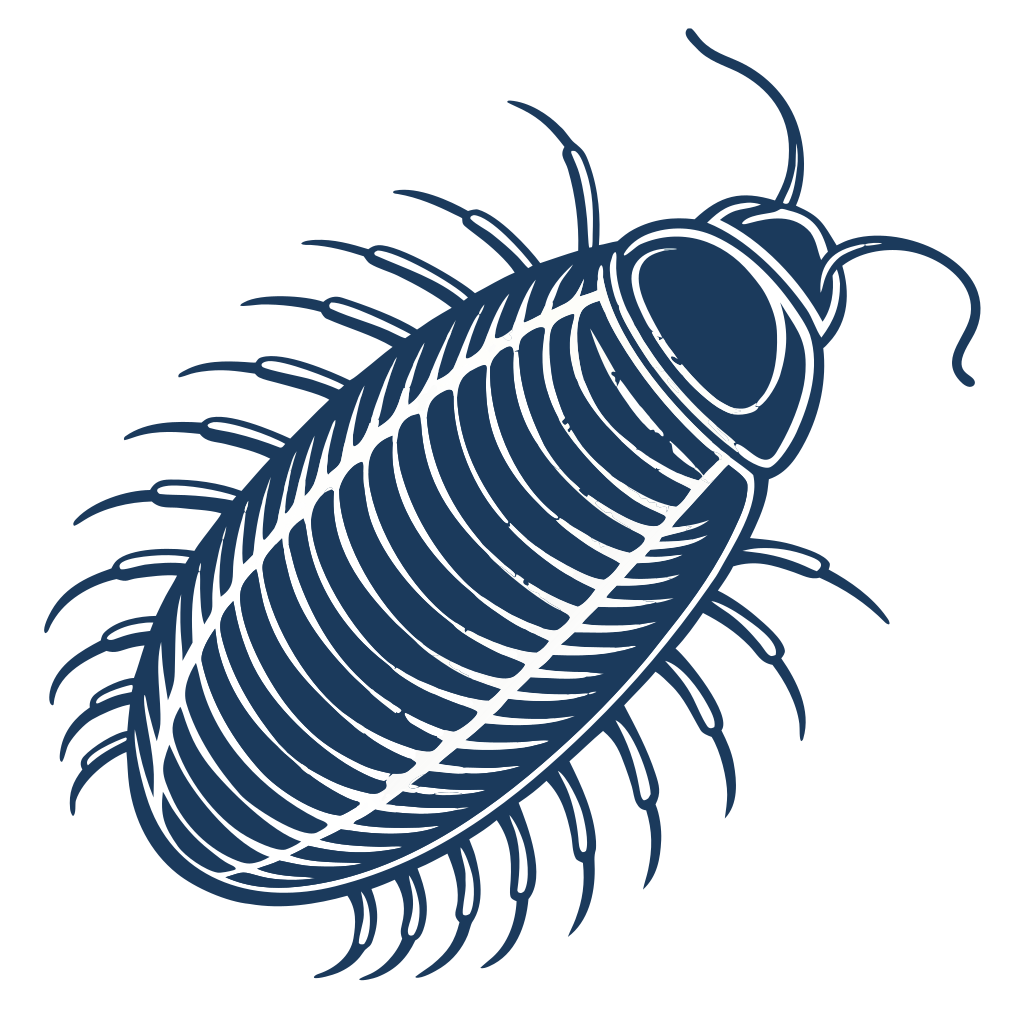
Hiltonius Millipede illustration

Hiltonius Millipede

Southern California species that appears in mass numbers after rainstorms
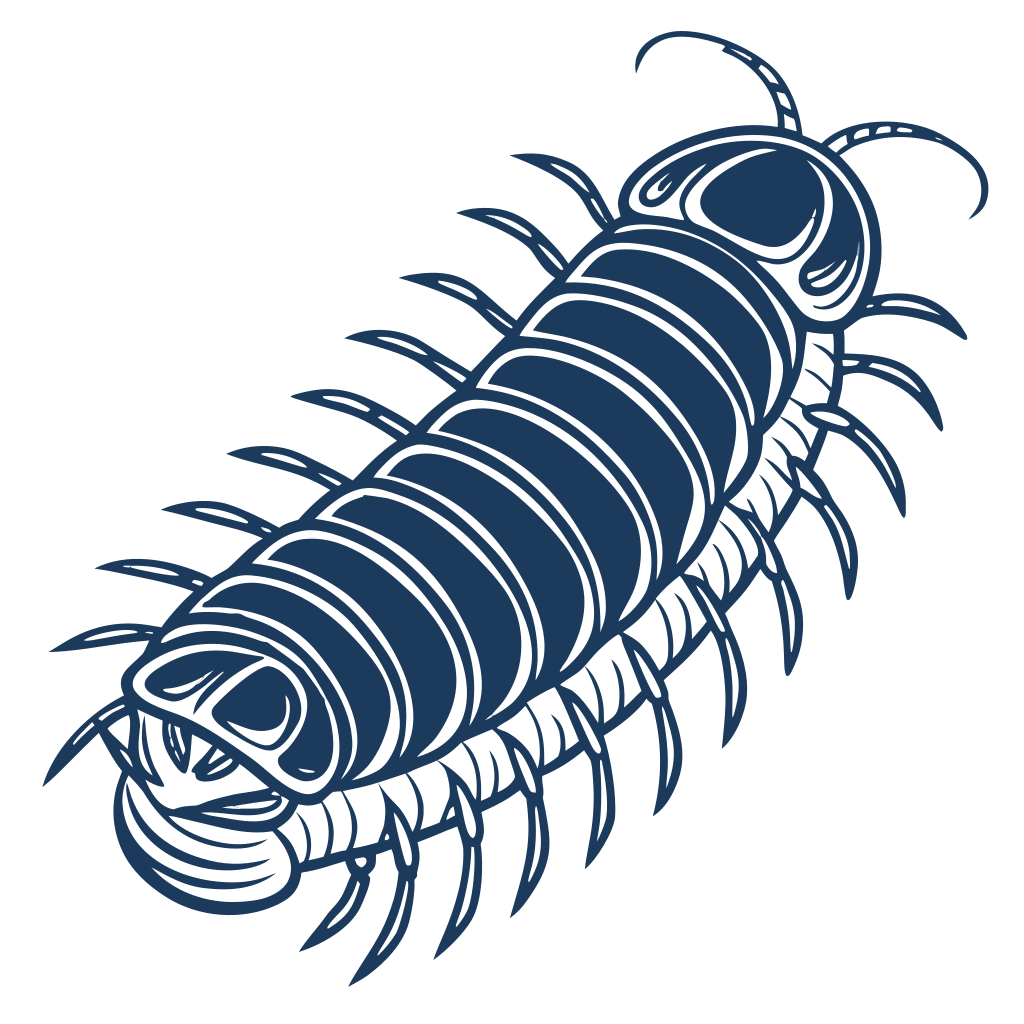
Desert Millipede illustration

Desert Millipede

Up to 4 inches; emerges after monsoon rains in inland Southern California

Our technicians are trained to identify species common to California, Oregon, and Washington — because treatment methods vary by species and season.

Prevention Tips

Fix leaky faucets, sprinklers, and downspouts near the house — millipedes follow moisture.
Pull mulch and leaf litter at least 12–18 inches back from exterior walls. Replace organic mulch with gravel near the foundation.
Seal cracks in the foundation and gaps around doors, windows, and utility penetrations.
Run dehumidifiers in basements and crawl spaces — target humidity below 60%.
Mow regularly and dethatch your lawn — millipedes breed in the dense thatch layer.
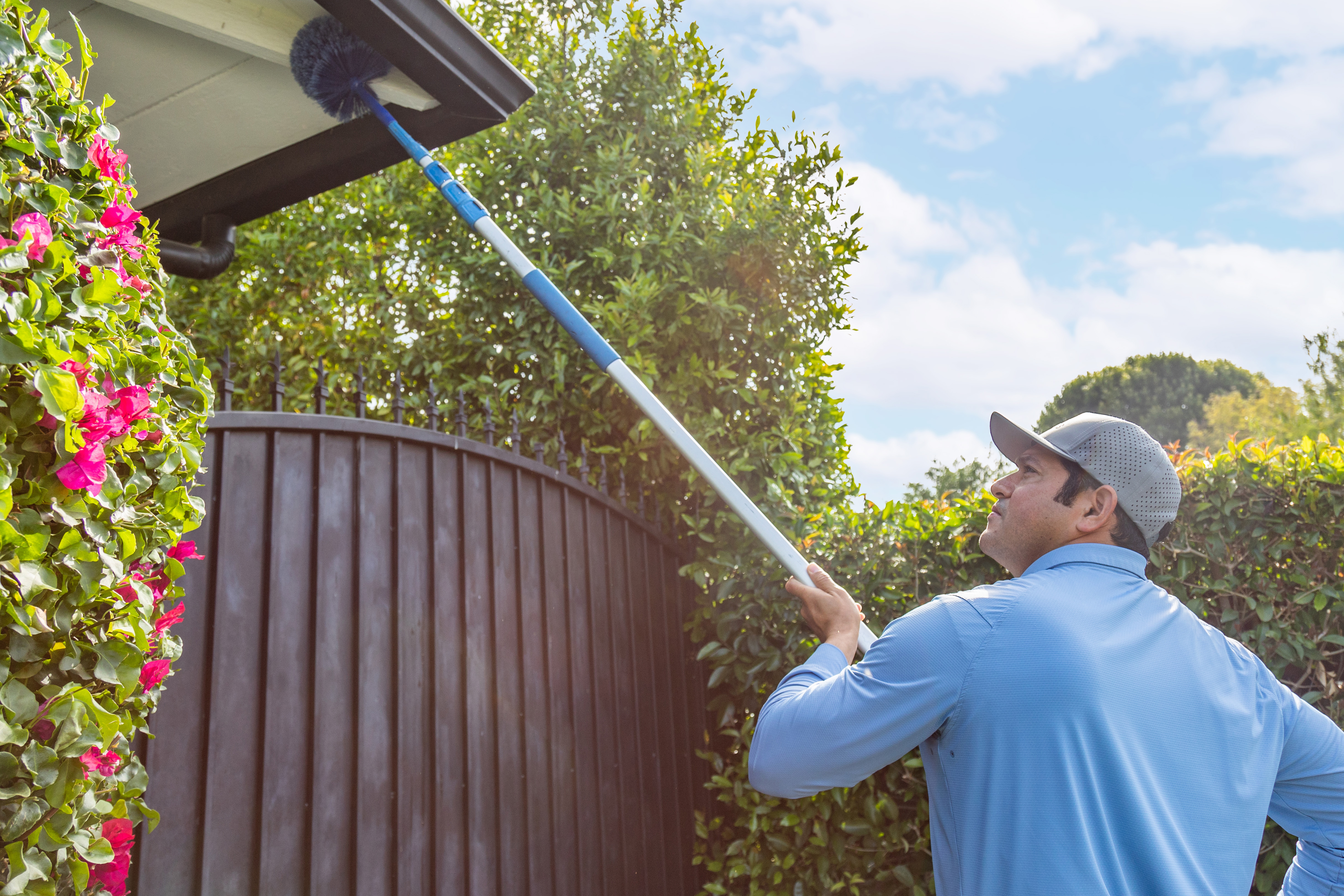
Brooks Pest Control technician treating exterior roof area for pest prevention

Ready to get rid of millipedes?

Get a Free Quote or call 833-369-1242

Benefits of Professional Millipede Treatment

Outdoor Colonies Targeted

Targets outdoor breeding colonies — not just the ones that make it inside.

Eco-Friendly & Pet-Safe

Eco-friendly and pet-safe methods that protect your family and the environment.

Professional Barriers

Professional-grade perimeter barriers provide weeks of protection that DIY sprays can't match.

Guaranteed Results

Guaranteed results and free re-treatments if millipedes return.

Damage & Health Risks of Millipedes in Your Home

Property Damage

Millipedes don't damage structures, fabrics, or food. But mass invasion events leave hundreds of dead millipedes indoors, and crushed millipedes stain carpets, flooring, and walls with dark secretion residue.

Health Concerns

When disturbed, millipedes release caustic defensive chemicals that can cause skin redness, burning, blistering, and eye irritation. They don't bite or sting — all reactions come from chemical secretions. Pets that mouth millipedes may experience temporary oral irritation.

Financial Impact

The moisture conditions that attract millipedes also attract mold, wood rot, and other pests. Repeated DIY spending rarely solves the problem. Mass invasion events may require professional cleaning.

Early detection and professional treatment save time, money, and protect your home's structure.

Ready to get rid of millipedes?

Get a Free Quote or call 833-369-1242

FAQs About Millipede Removal

Most treatments produce a noticeable reduction within 24–48 hours. You may see some stragglers for 1–2 weeks as the barrier intercepts migrating millipedes.
Yes — we use eco-friendly solutions that are tough on pests but gentle on people and pets.
They can — millipedes breed outdoors and new ones can migrate from untreated areas or neighboring properties. That's why we offer guaranteed follow-ups and seasonal prevention plans.
Most homes pay between $45–$75 per month for ongoing pest control or $150–$250 for one-time treatment.
Reduce moisture near the foundation, replace organic mulch with gravel, seal entry points, and maintain regular professional treatments.

Get Rid of Millipedes for Good

From mass invasion events to defensive chemical stains, we've seen it and we've solved it. Eco-friendly treatments, same-day service, guaranteed results.

Free estimates, no obligation. We respond within one business day.

Or call us now: 833-369-1242